
The best chore schedule depends on your child’s age and your family’s rhythm; younger kids thrive on daily checklists with immediate feedback, while teenagers benefit from the autonomy of weekly schedules.
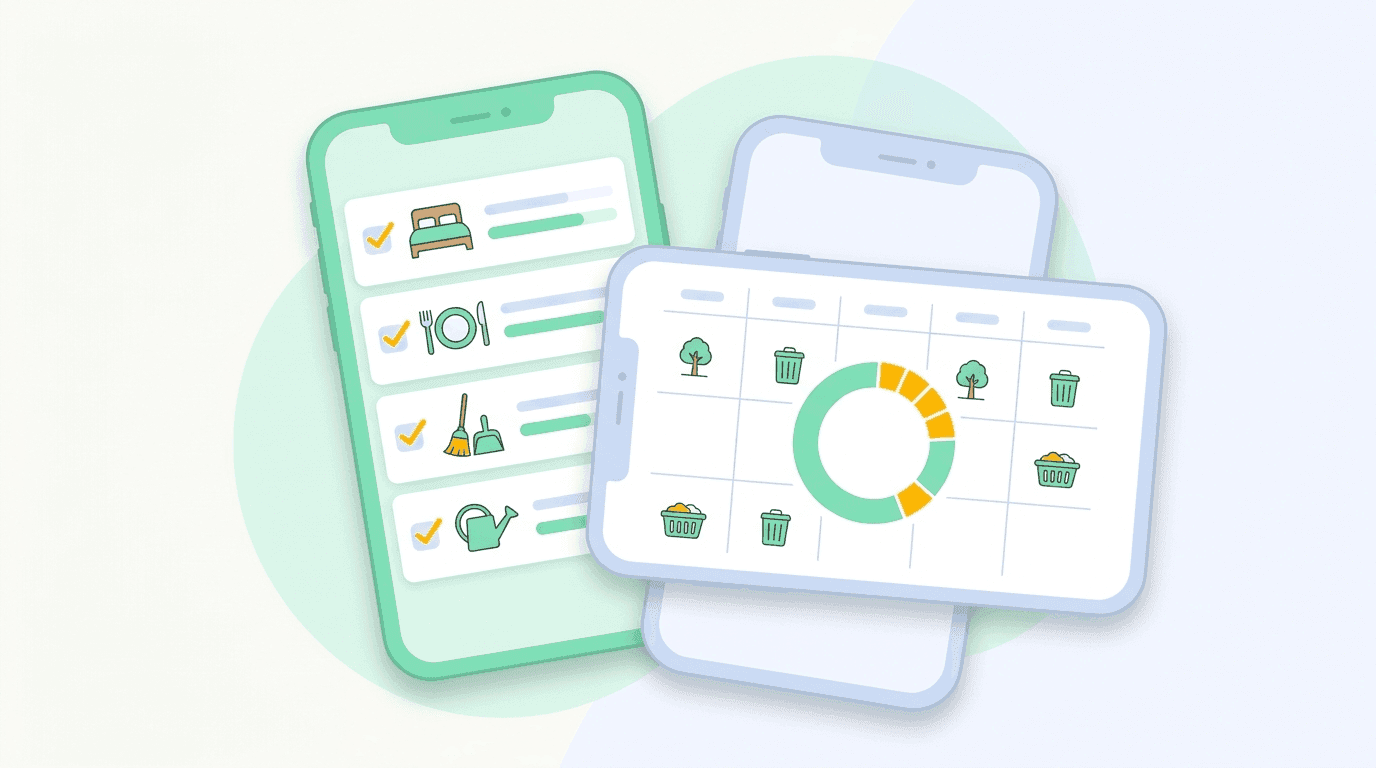
If you have ever stared at a blank piece of paper or a new app, wondering how to structure your household responsibilities, you are not alone. One of the most common questions parents ask is whether to use a daily vs weekly chore chart.
There is no single right answer. The best choice depends on your child's age, your household's rhythm, and how your family prefers to handle rewards and accountability.
This guide breaks down the strengths of both approaches so you can build a family reward system that actually sticks.
The case for a daily chore chart
For younger children, out of sight often means out of mind. A daily chore chart gives them immediate structure and clear, short-term expectations.
When you are managing chores for 5 year olds or early elementary kids, daily checklists work best because they match a child's developing sense of time. Making the bed, clearing a dinner plate, or putting away shoes are naturally daily activities.
Why it works:
Immediate feedback
Kids see their progress every single day, which builds momentum.
Habit formation
Repeating a task at the same time every day turns it into an automatic routine.
Frequent rewards
Earning virtual coins or points daily keeps younger children motivated and engaged.
The case for a weekly chore chart
As children grow, their schedules get more complex and their wish for independence grows with them. A weekly chore chart is often the better fit for older kids and chores for teens.
Weekly charts shift the focus from micromanagement to responsibility. Instead of being reminded to take out the trash every Tuesday, a teenager is trusted to finish that task sometime before the week ends.
Why it works:
Builds autonomy
Teens learn to manage their own time and prioritize tasks around school and extracurriculars.
Reduces nagging
Parents step back from daily reminders, fostering a calmer household dynamic.
Larger rewards
Weekly completion lets kids save virtual coins for more meaningful rewards, like a weekend movie night or a later bedtime.
Side-by-side comparison
Use this comparison to see how each schedule handles the parts of family life that usually decide whether a chart lasts.
Best for younger children
Daily
Excellent. Matches their short attention spans and need for routine.
Weekly
Can be overwhelming. They may forget tasks by the end of the week.
Best for teenagers
Daily
Can feel micromanaged. Some teens read a daily checklist as infantilizing.
Weekly
Excellent. Respects their growing independence and busy schedules.
Flexibility
Daily
Low. Tasks are tied to specific days.
Weekly
High. Kids can choose when to complete the task within the week.
Reminders
Daily
Needs frequent, daily parent prompts.
Weekly
Minimal. Relies on the child’s self-management, with a weekly check-in.
Repeating chores
Daily
Ideal for daily habits, such as feeding a pet or making the bed.
Weekly
Ideal for maintenance tasks, such as vacuuming or taking out the trash.
Reward tracking
Daily
Frequent, small virtual coin payouts keep motivation high.
Weekly
Larger, less frequent payouts teach saving and delayed gratification.
Parent review
Daily
Quick daily check-ins. Optional photo proof makes this easier.
Weekly
One consolidated weekly review session, which saves parents time.
How to choose, and blend, both approaches
You do not have to pick only one. Many families do better with a hybrid. A child might keep daily responsibilities, such as brushing teeth and clearing their plate, alongside a weekly responsibility, such as organizing a desk or helping with laundry.
A kids chore chart app makes that mix easier to run. Instead of juggling whiteboards and paper charts, you can give each task its own frequency. Set “Make bed” to repeat daily and “Vacuum living room” to repeat weekly, all in one place.
The kids chore chart guide walks through how to customize those frequencies for your household, including when a paper chart is enough and when an app is the clearer choice.
Making the system work with virtual rewards
Daily or weekly, the reward has to be clear and consistent. If the payout changes from week to week, kids stop trusting the chart.
In the KidMint app, children earn virtual coins for completing assigned tasks. These coins are virtual family points. They are not real money, a bank balance, or a debit card. They hold value only inside the reward store your family agrees on.
Here is how to keep the review process smooth:
Set clear expectations
Define what a completed chore looks like before the week starts.
Use optional photo proof
For tasks like cleaning a room, kids can snap a quick photo. It is a private review aid for you, and it shortens the “I already did it” debate.
Keep parent approval in charge
Coins are awarded only after you review and approve the work. That protects quality and gives you a natural moment for praise or a gentle correction.
Photo proof stays optional. Use it for chores you cannot see from across the room, and skip it for simple habits you already trust. The photo proof guide explains how to treat those pictures as a private review aid. For help choosing the tool itself, see the guide to finding the right chore app for kids.
Final thoughts
The daily vs weekly chore chart decision comes down to your child's developmental stage. Start with daily charts to build foundational habits in younger children, then shift toward weekly charts as they show they can follow through and want more independence.
The goal is progress. A schedule that matches your family's real week turns ordinary household tasks into practice for responsibility, teamwork, and earned rewards.
Questions parents ask
Can I mix daily and weekly chores for the same child?
Absolutely. A hybrid approach is often the most realistic. Daily tasks build consistent habits, like making the bed, while weekly tasks teach time management, like cleaning their room. A digital chore app makes it easy to assign different frequencies to different tasks.
How do I keep my teenager motivated with a weekly chart?
Teenagers respond well to autonomy and meaningful rewards. Let them have a say in which weekly chores they take on, and make sure the virtual coins they earn can be exchanged for rewards they genuinely value, like extra screen time or a favorite takeout meal.
Do I have to check my child’s chores every single day?
With a daily chart, a quick daily review is ideal to maintain momentum. If you use optional photo proof, you can review the submission on your own time from your phone, which is faster and less confrontational than an in-person inspection.